
Attendance: $80–$180
The figure that gets a licensed plumber to the door and the first work under way. It should be quotable over the phone, every time.
Hot water that has given up, a mixer that drips, a toilet that runs, a leak showing on a wall, a gas appliance that needs connecting properly. All of it is licensed work, all of it is what we do, and you get the number before anyone picks up a tool.
Licensed plumbing covers far more than most people picture. Water supply and drainage inside the property, hot water units and their valves, tapware and toilets, gas appliance connections, stormwater pits and downpipes, and every fixture position behind a renovation are all inside it, and all of it carries a licence requirement in NSW.
Knowing that is genuinely useful when you are choosing who to call. A handyman may not legally touch gas, and stormwater is plumbing rather than landscaping. Asking for a licence number before anyone starts takes thirty seconds and rules out the jobs that have to be done twice.

Some homes of this era still run original galvanised steel water pipe. It corrodes from the inside, so the symptoms arrive long before any visible leak: pressure that has faded gradually, rusty water after a holiday, hot flow noticeably worse than cold.
Gymea (postcode 2227) is a leafy Sutherland Shire suburb wrapped around its village shopping strip on Gymea Bay Road, bordered by Kirrawee, Miranda and Gymea Bay, with bushland gullies dropping toward the Port Hacking foreshore. Its 1950s and 60s brick homes on sandstone country give local drains a distinctive set of problems.
Replacement is not automatically urgent, but it is worth knowing which you have before spending money on fixtures. A new mixer plumbed into a closing-up galvanised line is a new mixer with the old problem.
Pipes laid across the ridge falling toward Gymea Bay settle unevenly on rock shelves, forming low bellies where waste and grit collect between flushes.
Proximity to open water shortens the life of anything metal outside: tap spindles, external copper, hot water unit casings and the fixings holding them up. It is a slow, even process rather than a dramatic failure, which is why it tends to be noticed all at once.
Specifying for the environment costs very little at the point of installation and a great deal afterwards. Where a fitting will live outside near the water, it should be chosen for that from the start.
Commercial premises frequently carry a testable backflow prevention device, and it carries an annual test obligation with results lodged to the water authority. It is one of the quieter compliance items and one of the easiest to inherit unknowingly when a lease changes hands.
If you are not certain whether your site has one, or when it was last tested, it is worth ten minutes to find out. Accredited testing is a specific endorsement on a plumber's licence, so ask for it directly rather than assuming.
Steep gullies funnel heavy rain downhill in minutes, overloading older stormwater lines and washing leaf litter into pits and grates around the suburb.
Slope changes the job before anyone picks up a tool. Access is the first question: whether there is somewhere to park within hose reach, whether the only way in is a set of stairs, whether a machine can get to the back at all or everything is carried.
Tell us on the phone rather than at the gate. It decides what comes off the van and, on a bad access job, whether one plumber or two is honest.
Most homes around Gymea have a low grate outside, usually near a back step or beside the laundry wall, that nobody thinks about until the day it runs. It is set deliberately below the lowest fixture inside so that when something downstream stops taking water, it spills into the garden rather than through your floor.
If yours is buried under mulch, pavers or a new deck, that protection is gone and nobody will notice until the overflow finds the hallway instead. Finding it and keeping it clear is a five minute job that has saved a lot of carpet.
Most of Gymea’s first-build homes were plumbed in earthenware; after sixty-plus years the joints have opened up, letting in roots, soil and stormwater.
Roots are not looking for your pipe. They are looking for water and air, and a joint that has opened even slightly gives them both. That is why the same species can sit beside a sound line for fifty years and colonise a failing one in two seasons.
The practical answer is almost never the chainsaw. A mature tree is usually worth more to the property than the repair costs, and the roots already inside the line do not leave when the trunk does. Sealing what they came through is the fix.
The figure that gets a licensed plumber to the door and the first work under way. It should be quotable over the phone, every time.
Where most local plumbing sits once attendance is covered. Nights, weekends and public holidays carry a premium, and always have.
The bracket most single-fixture jobs land in: tapware, a toilet, a failed valve, hoses replaced before they let go.
Repairing a unit with service life left in it. Replacing one is a separate quote and depends entirely on the model and location.
Rough-in, gas lines and excavation are quoted as a job rather than an hour, and the figure does not move once you have accepted it.
Indicative Sydney ranges for 2026. Your job gets a fixed price before work starts. Figures here are indicative of the 2026 Sydney market rather than a quote from us, you get your own number as a fixed price before any work starts.

You get a tradesperson on the phone rather than a booking agent reading a script. Most faults can be narrowed down from the description alone, including the ones that do not need a visit.
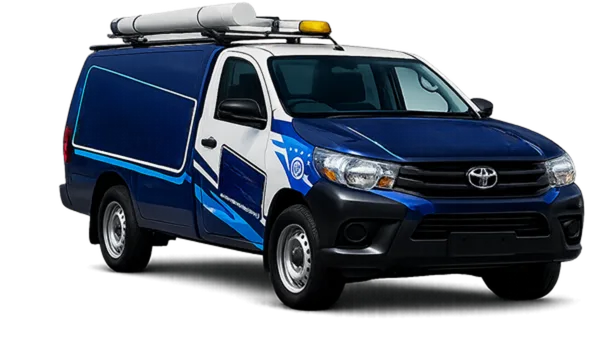
Whoever is working closest to Gymea takes it, which is why same-day is usually possible and why the van already carries what the job is likely to need.
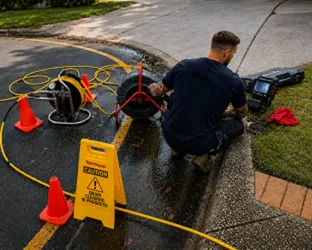
We find the actual cause rather than the visible symptom, show you, and give you a fixed figure. You decide with the number in front of you.

The repair is finished and proven on the spot, the site is left tidy, and any certificate the work requires comes with it.
Leave your details and a licensed plumber will call back, tell you what it is likely to be, and book it only if it actually needs booking.
Licensing, pricing, timing and the things worth asking before anyone starts.

Ring us and a tradesperson picks up. Or leave your details and we will call back with a window we can actually meet.

Leave your details and our local Gymea team will call you back fast.